Research Interests
We are interested in understanding the fascinating interplay among electron, phonon, and light in materials and their implications for energy generation and storage, charge and spin transport, and quantum information science applications. As a result, most of our effort has been devoted to developing new theoretical and computational tools that are amenable to high-performance supercomputing to understand these emerging phenomena, and to leveraging the state-of-art methods to investigate materials with complex behaviors.
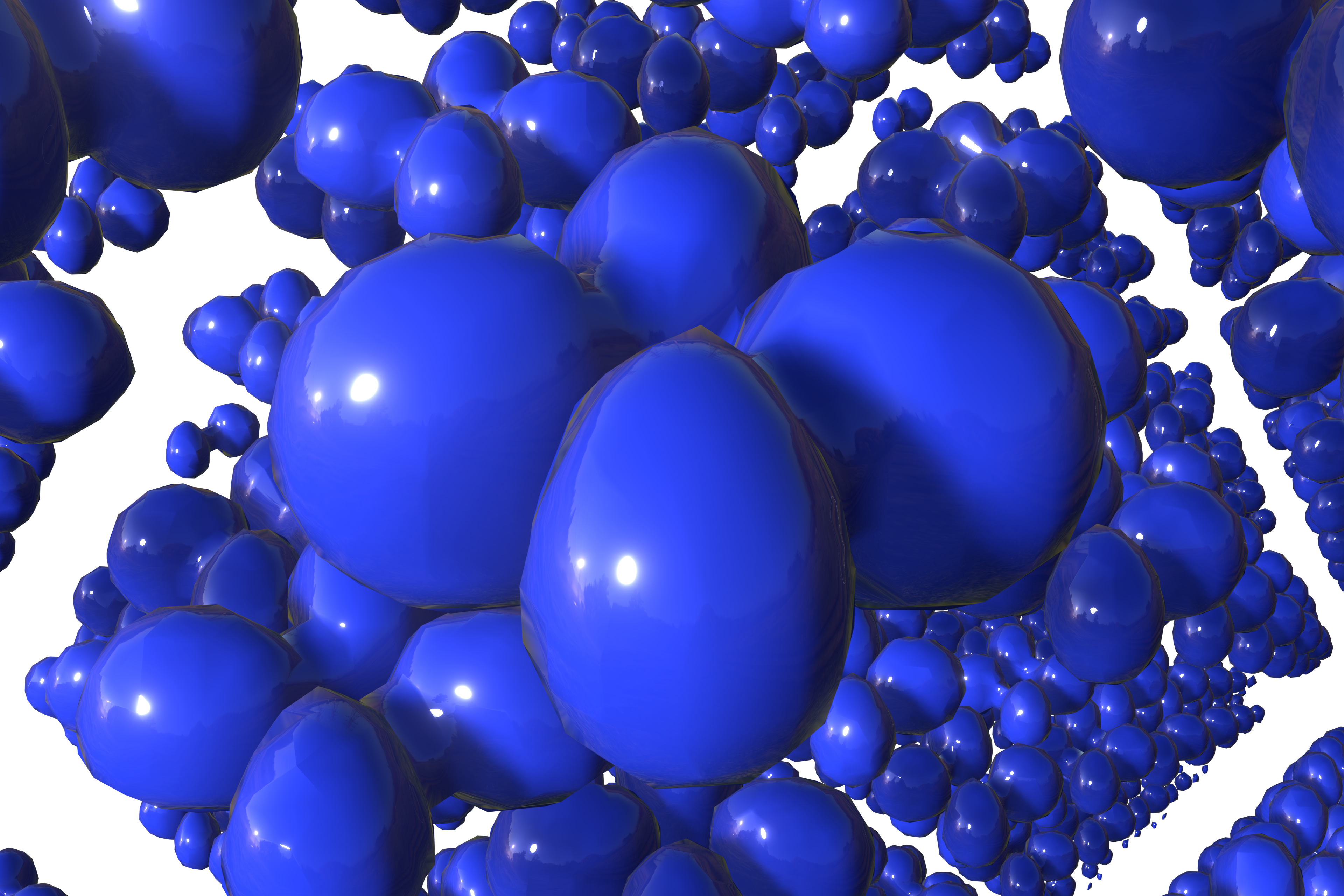
Excited-State Electronic Structure of Quantum Materials: The universal but complex interaction between electronic freedom and lattice vibrational freedom gives rise to emergent species such as polarons, bipolarons, excitons, and excitonic polarons (self-trapped excitons). To paint a clear picture of their roles in different materials, we develop first-principles computational approaches and analytical models to understand and predict how their existence fundamentally changes the behaviors of materials and leads to unexpected functional properties.
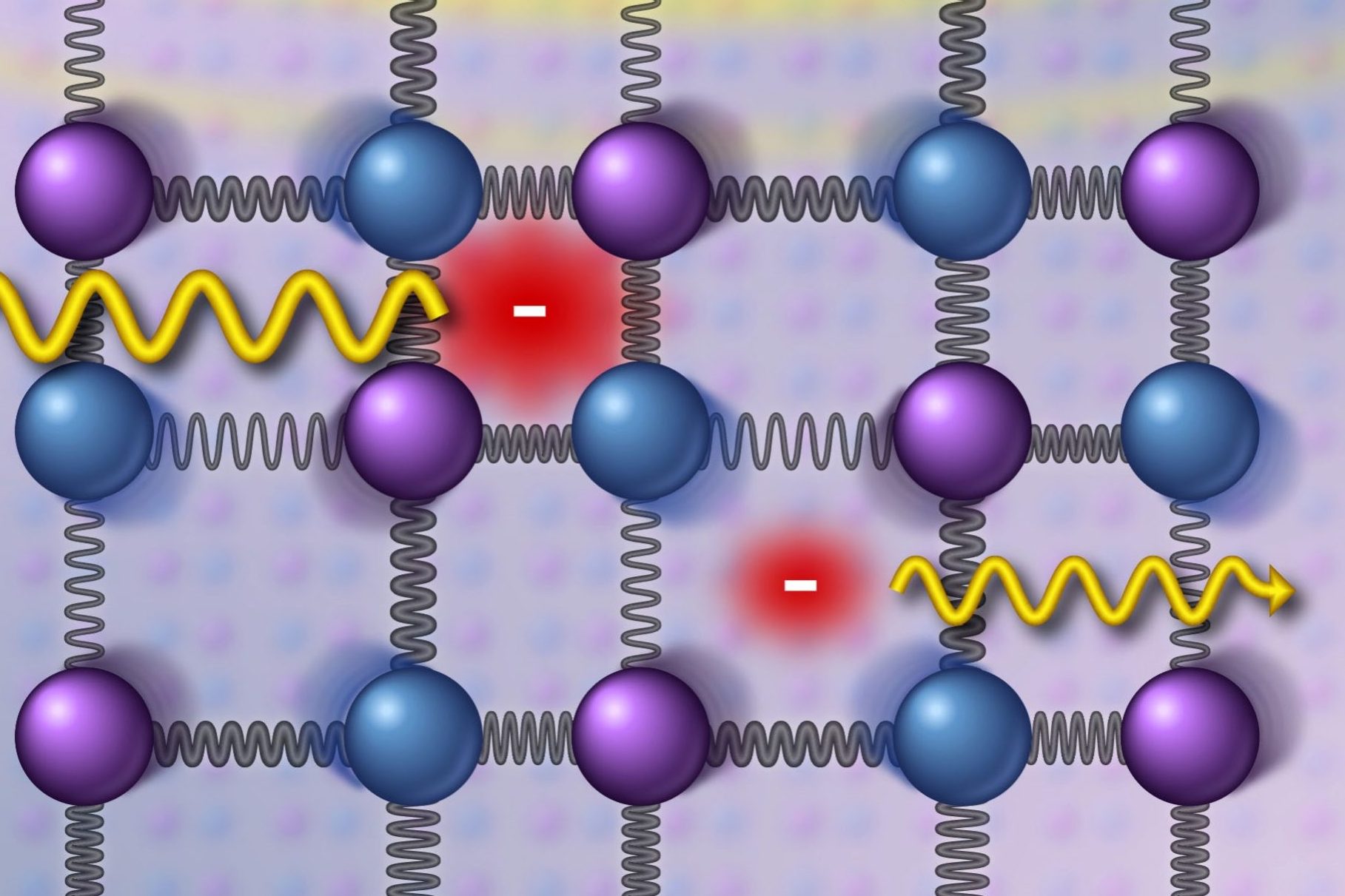
Nonlinear Light-Matter Interaction: The nonlinear interaction between electron and light often encodes valuable information of the crystal symmetry (e.g. second-harmonic generation), and it holds the promise for making more efficient photovoltaic devices and photodetectors (e.g. bulk photovoltaic effect). Using field theoretic approaches and nonperturbative methods, we developed first principles theories that allow for the quantitative prediction and qualitative interpretation of the effects of phonons and magnetic fields on the nonlinear light-matter interaction in real materials.
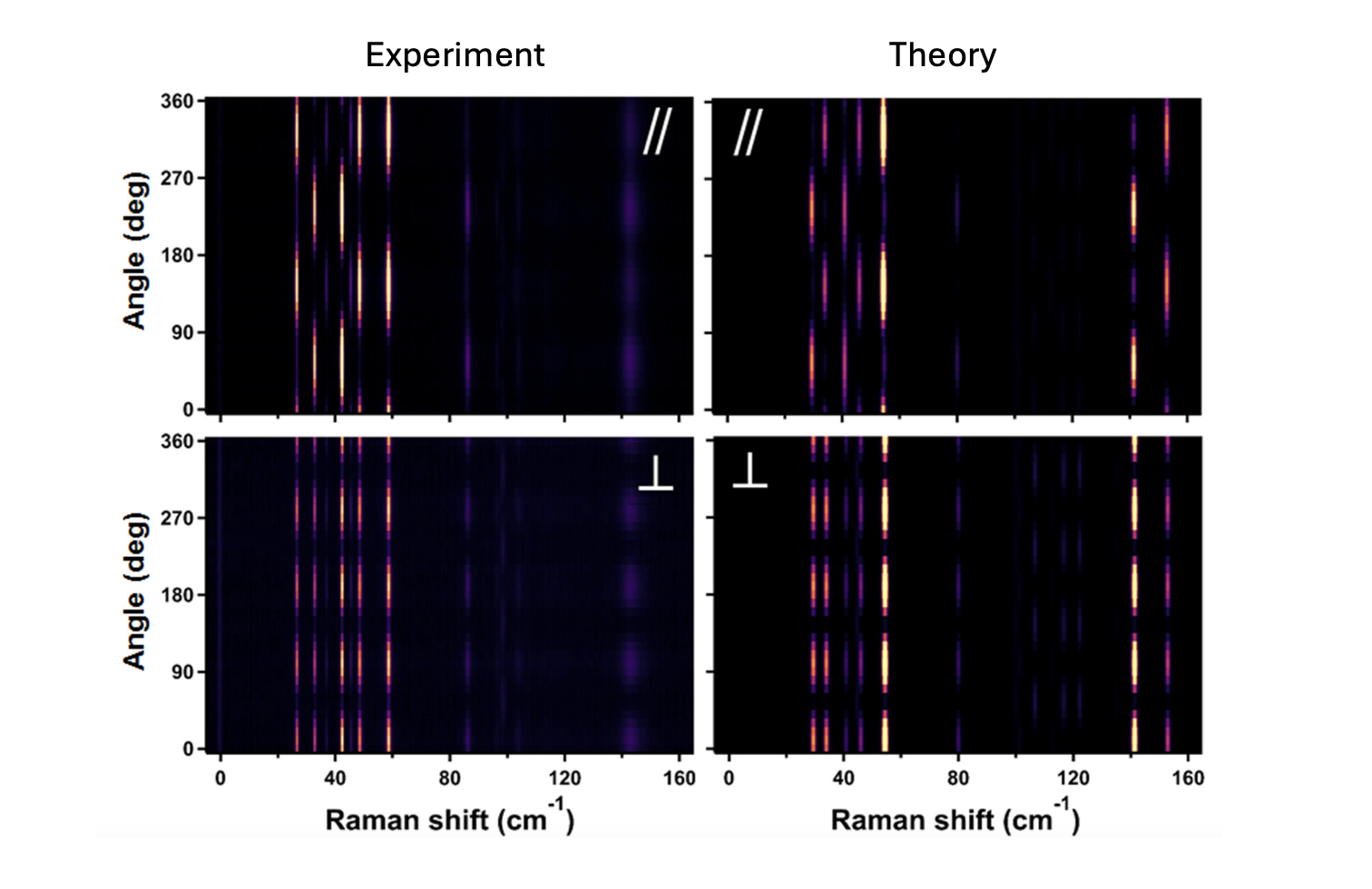
Computational Spectroscopy: We develop computational methods to help reproduce, understand, and predict the signatures in a variety of spectroscopies including Raman and IR in anharmonic materials, optical absorption and photoluminescence in correlated systems, and more recently Vibrationally Promoted Electronic Resonance (VIPER) in hybrid perovskites. Together with experimental spectroscopists, we achieve a deeper understanding of underlying physics and chemical dynamics in complex systems.
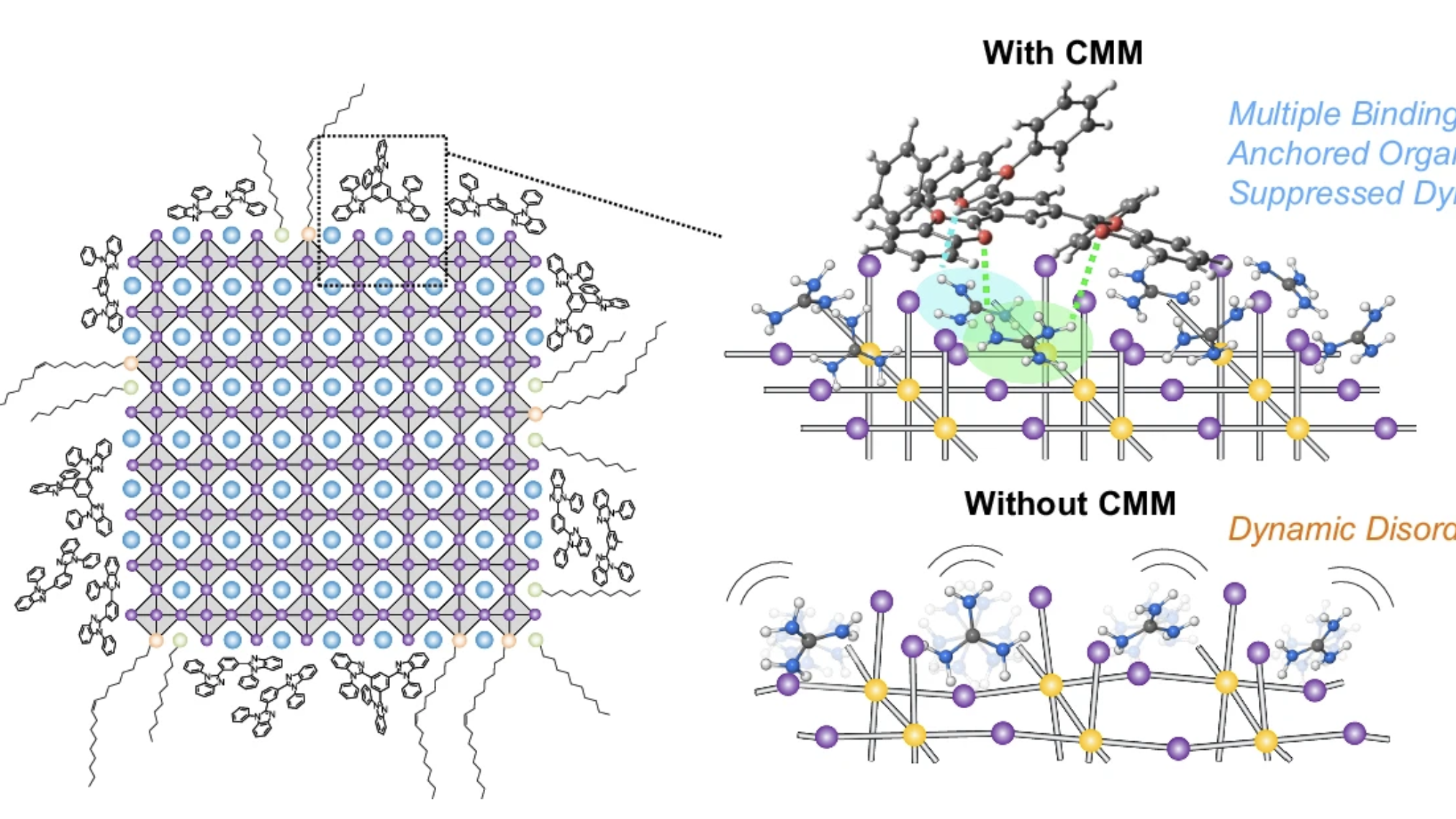
Materials Design: In close collaboration with experimental collaborators, we use ab initio simulations to help guide the synthesis of novel materials for optoelectronic and spintronic applications. By developing cutting-edge analysis tools, not only do we obtain significant insight of experimental observations, but strategies for further improving the material performance can be proposed and even successfully realized in real material systems.
 Zhenbang Dai